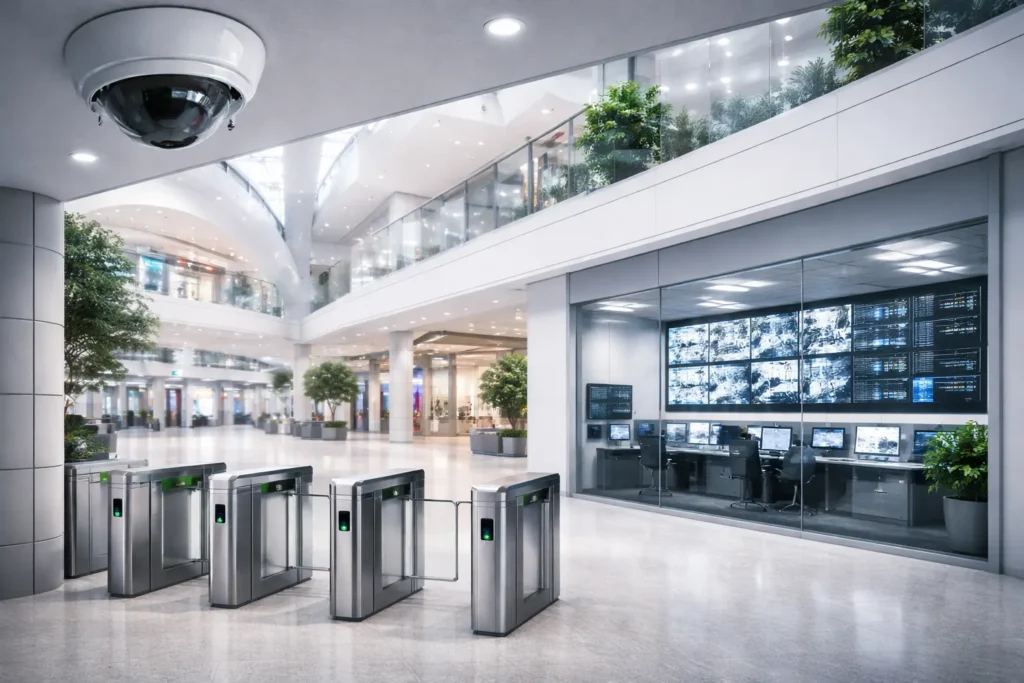
Security is no longer a supplementary element in the operation of large-scale public facilities such as shopping malls, hotels, apartments, and airports. In today’s environment, threats to physical assets, data, and human safety are increasingly complex and interconnected.This reality makes the role of a security system integrator vendor critically important. Unlike conventional electrical contractors or retail CCTV providers, an integrator is capable of unifying multiple security subsystems into a centralized, efficient, and scalable control platform.
For procurement officers or project managers, selecting the right security system integrator vendor is not simply a matter of comparing prices. It is a strategic decision that directly impacts long-term operational expenditure (OPEX), system reliability, and the effectiveness of asset protection. This article outlines the key parameters that should be used to evaluate the credibility and capability of a security system integrator vendor for public facilities.
Why Integration Is More Important Than Installation Alone
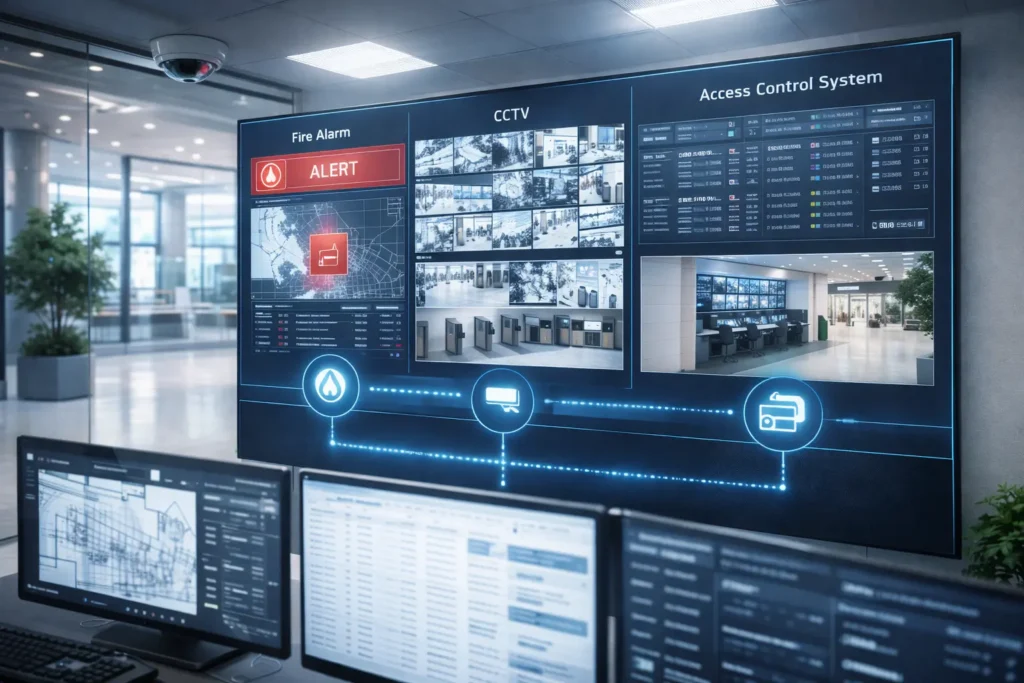
Many facility managers make a critical mistake by sourcing security systems separately: CCTV from one vendor, access control from another, and fire detection from a different provider. This fragmented approach creates information silos, where systems operate independently and fail to communicate during critical events.
A professional security system integrator vendor ensures seamless interaction between all subsystems. When a fire alarm is activated, access control systems can automatically unlock emergency exits, while CCTV cameras in the affected area immediately display live video feeds on the central monitoring screen. Without this level of integration, emergency response is delayed, coordination breaks down, and the risk of potential and safety losses increase significantly.
Specific Security Needs of Public Facilities
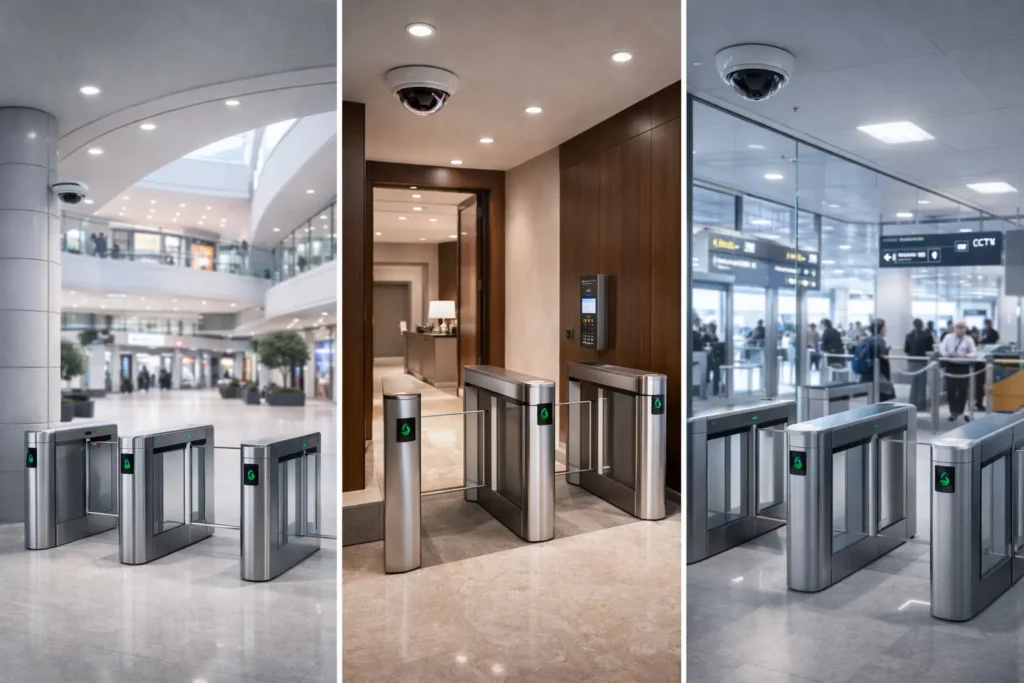
- Malls & Shopping Centers: Security systems must support crowd management and real-time monitoring while also enabling consumer behavior analytics to assist marketing and tenant management functions.
- Hotels & Apartments: These facilities require a balanced approach that protects resident privacy while maintaining strict monitoring of public and shared areas, with seamless integration into the Building Management System (BMS).
- Airports and Critical Infrastructure: Such environments demand the highest security standards, including AI-based video analytics capable of detecting suspicious objects and abnormal behavior within seconds to support rapid threat response.
Key Criteria for Choosing a Credible Security System Integrator Vendor
1. Proven Track Record and Relevant Portfolio
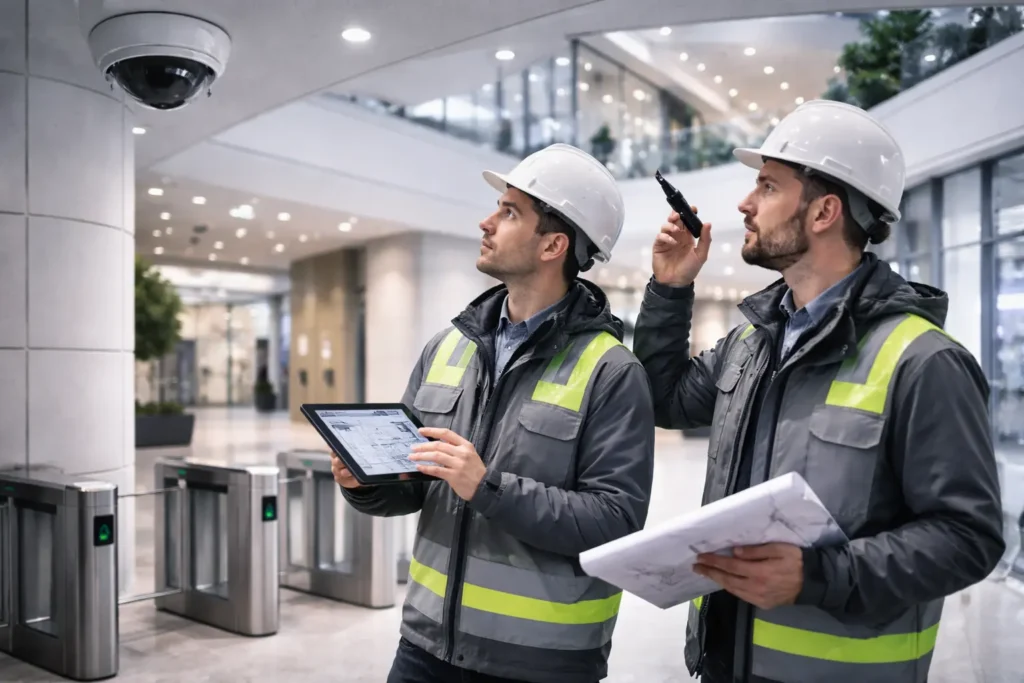
The first step in evaluating a security system integrator vendor is reviewing their proven track record and project portfolio. Rather than focusing only on well-known client names, assess the complexity and scale of the work delivered. Has the vendor successfully handled integrated security systems in high-rise buildings, airports, or public facilities with high human traffic? Request detailed case studies to understand how technical challenges were addressed on-site and how different systems were integrated into a reliable, operational solution.
2. Certifications and Official Partnerships (Authorized Partner)
Technical credibility is often reflected in a vendor’s relationship with technology manufacturers. When selecting a security system integrator vendor, ensure they are officially authorized partners of reputable global brands such as Bosch, or Comelit. Official partnerships indicate that the vendor’s technical teams have received certified training directly from the manufacturers. In addition, a certified security system integrator vendor can guarantee the use of genuine products, proper system configuration, and valid warranty support throughout the project lifecycle.
3. Design and Consulting Capabilities
Vendors that focus only on equipment sales often prepare proposals based strictly on request lists, without fully understanding site-specific risks. In contrast, a credible security system integrator vendor takes a consultative approach, conducting detailed site surveys, identifying blind spots, and assessing operational risks. By combining technical expertise with practical field analysis, the integrator can recommend solutions that are not only cost-efficient, but also optimized for real-world performance and long-term reliability.
4. After-Sales Support and Service Level Agreement (SLA)
Security systems are long-term investments that must remain reliable under all conditions. Consider a scenario where a critical camera system fails at an airport terminal at 2 a.m. without proper support, operational and safety risks escalate immediately. This is why clear Service Level Agreement (SLAs) are essential when selecting a security system integrator vendor.
During contract negotiations, ensure the vendor provides defined response time commitments, 24/7 technical support availability and guaranteed access to spare parts. A professional security system integrator vendor does not disappear after installation, but remains accountable for system performance throughout its operational lifecycle.
5. Regulatory Compliance and Occupational Safety (HSE)
For project managers, compliance with occupational safety and regulatory standards is non-negotiable. When selecting a security system integrator vendor, ensure the provider fully adheres to local regulations and international standards related to electrical installations, fire safety, and security systems. Vendors with recognized ISO certifications are generally better equipped to meet strict corporate and governmental requirements, making coordination smoother and reducing compliance risks throughout the project lifecycle.
Red Flags: Signs You Should Avoid Certain Vendors
During the tender process, some proposals may appear financially attractive at first glance. However, caution is required if any of the following warning signs are present:
- Unrealistically Low Pricing: Pricing that is significantly below market rates often indicates the use of low-quality cabling, refurbished equipment, or limited after-sales support, which can compromise system reliability.
- Outsourced Technical Teams: If a security system integrator vendor does not maintain an in-house technical team and relies entirely on third parties without proper supervision, installation quality and accountability are at serious risk.
- Generic Proposals: Proposals that fail to address the specific challenges of your facility and simply replicate solutions from previous projects suggest a lack of proper assessment and consultative capability.
Procurement Checklist for Vendor Selection

To simplify the evaluation process, procurement teams can use the following checklist when assessing a security system integrator vendor:
- Does the vendor hold valid business licenses (SIUP/NIB) relevant to security system integration?
- Can the vendor provide a Proof of Concept (PoC) or conduct an on-site system demonstration?
- Is the proposed solution based on an open platform that can be integrated with future devices and technologies?
- Do testimonials or references come from clients with a similar scale and operational complexity?
- Does the vendor provide clear SOPs and maintenance documentation for long-term system operation?
Entrusting public facility security to the wrong party carries not only financial risk, but also serious reputational consequences. Selecting a security system integrator vendor who combines technical expertise with a deep understanding of operational and business risks is essential for building a secure, reliable, and future-ready security environment.
SEPRO INDONESIA as Your Strategic Security Partner
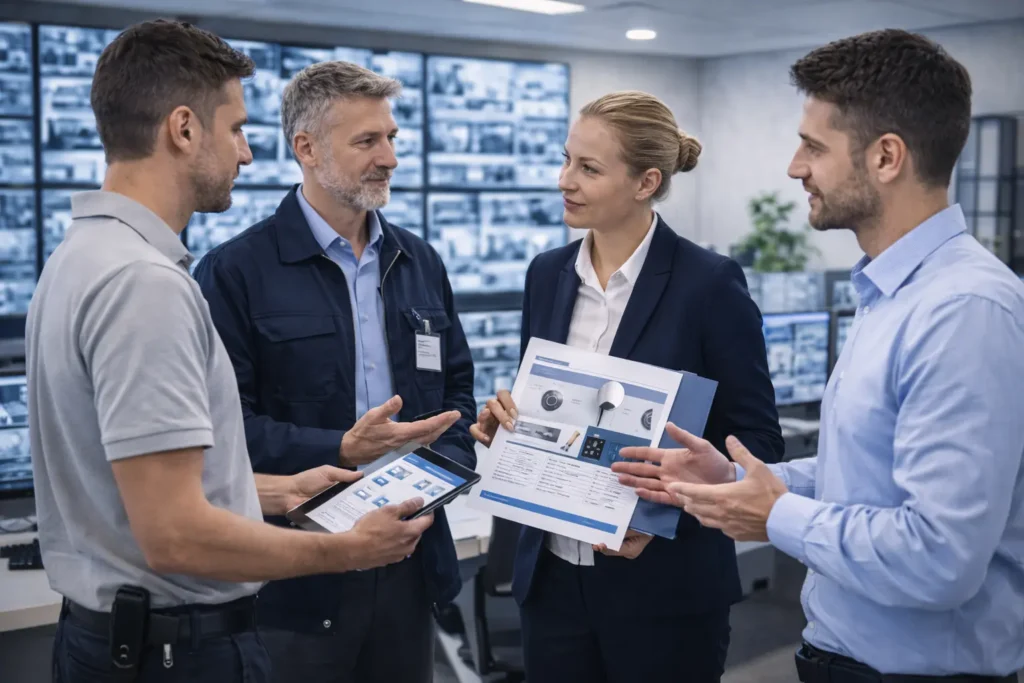
Choosing the right security system integrator vendor is not merely a technical decision, it is a long-term commitment to protecting assets, operations, and public safety. Selecting the wrong partner can result in serious physical, financial, and reputational consequences that extend far beyond the initial project scope.
To meet the demanding security requirements of malls, hotels, apartments, and airports, SEPRO INDONESIA stands as a trusted and experienced solution. As a professional security system integrator vendor, SEPRO INDONESIA delivers more than hardware, providing intelligently designed, fully integrated, and easy-to-manage security ecosystems tailored to each facility’s risk profile.
Supported by certified experts and official partnerships with leading global technology brands, SEPRO INDONESIA offers end-to-end services, from risk assessment and system design to professional installation and responsive after-sales support. Secure your facilities with confidence by partnering with SEPRO INDONESIA, your trusted security system integrator vendor for reliable, scalable, and future-ready security solutions.