Modern buildings are no longer evaluated solely by their physical design or location. Today, functionality, digital readiness, and user experience play a major role in determining the value and competitiveness of a property. One critical yet often underestimated component of this transformation is the digital MATV and IPTV system. What was once considered a basic television distribution setup has now evolved into a strategic digital infrastructure that supports communication, efficiency, and long-term scalability.
A digital MATV and IPTV system enables centralized, high-quality content distribution across large and complex buildings. From hotels and hospitals to offices, apartments, and public facilities, these systems ensure reliable television services while opening the door to interactive and smart building applications.
The Changing Role of TV Systems in Modern Buildings
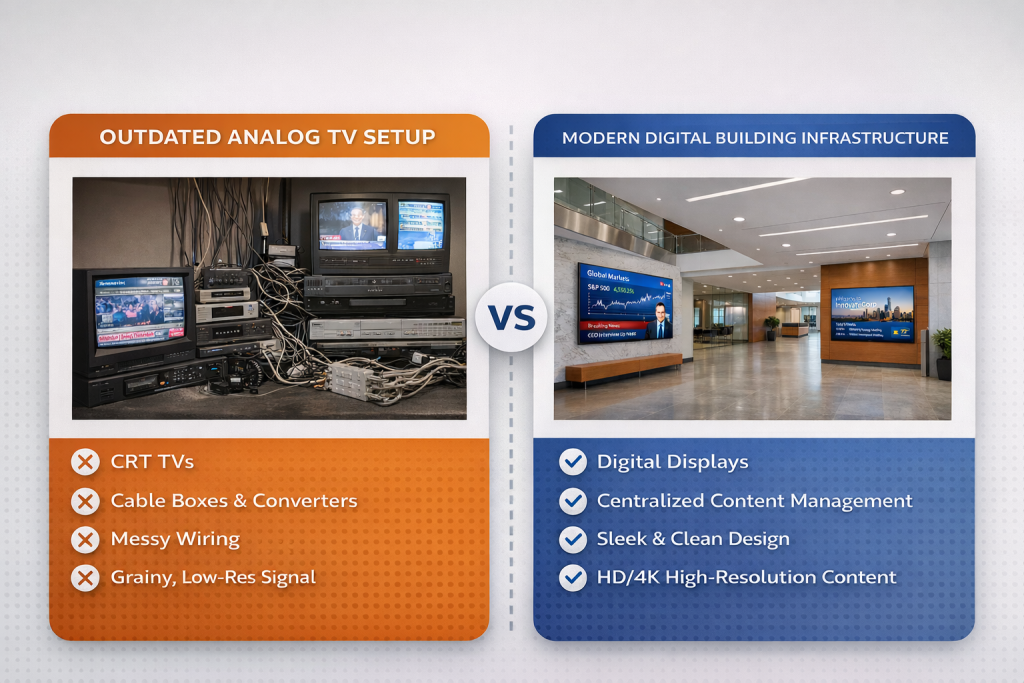
In the past, television systems were installed mainly to provide basic entertainment. Analog systems, individual antennas, and scattered receivers were sufficient when buildings were smaller and user expectations were lower. Today, this approach is no longer practical for large buildings with hundreds of rooms and diverse users.
The digital MATV and IPTV system reflects this shift. Television is no longer just entertainment; it has become a communication channel, an information platform, and an extension of the building’s digital ecosystem. Guests, patients, residents, and employees all expect clear visuals, stable service, and modern interfaces that match the overall quality of the building.
This change in expectations is one of the main reasons why modern buildings must move beyond traditional TV distribution methods.
Understanding Digital MATV as a Foundation of Reliability
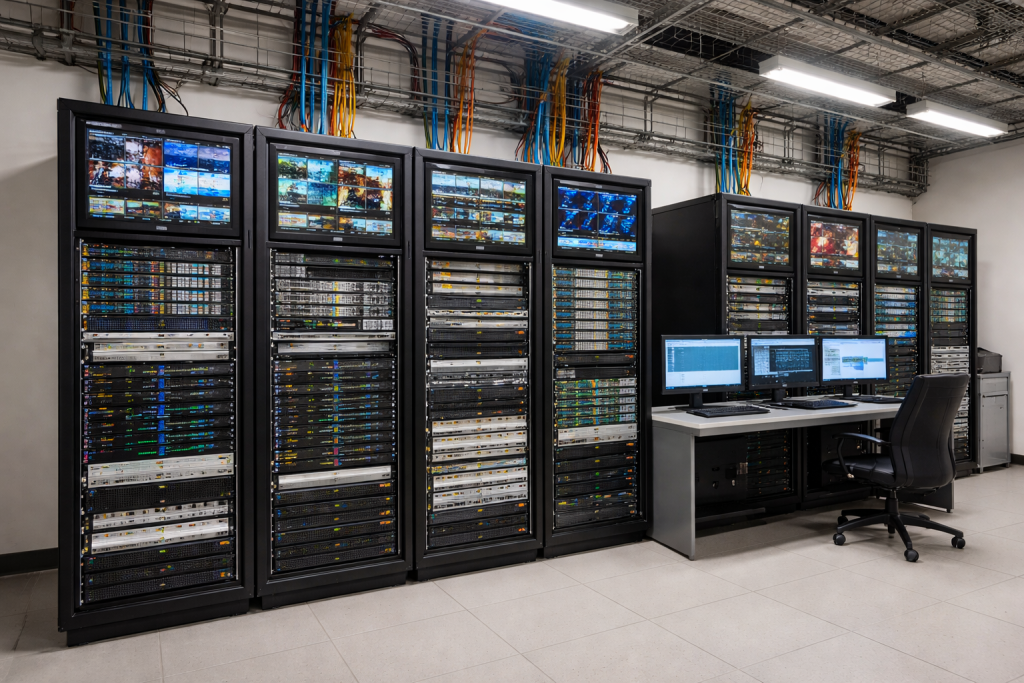
Digital MATV systems remain a cornerstone of television distribution in large buildings. By receiving digital broadcast signals from satellite, terrestrial, or cable sources and distributing them centrally, digital MATV ensures consistent signal quality across all areas of a building.
In large-scale environments, reliability is essential. A single signal failure can affect many rooms at once. Digital MATV systems are designed with professional-grade components, proper amplification, and signal balancing to minimize disruptions. Centralized control allows maintenance teams to monitor and resolve issues efficiently without entering individual rooms.
This level of stability makes digital MATV a trusted solution for hotels, hospitals, and residential complexes where uninterrupted service is expected.
IPTV as the Smart and Interactive Layer
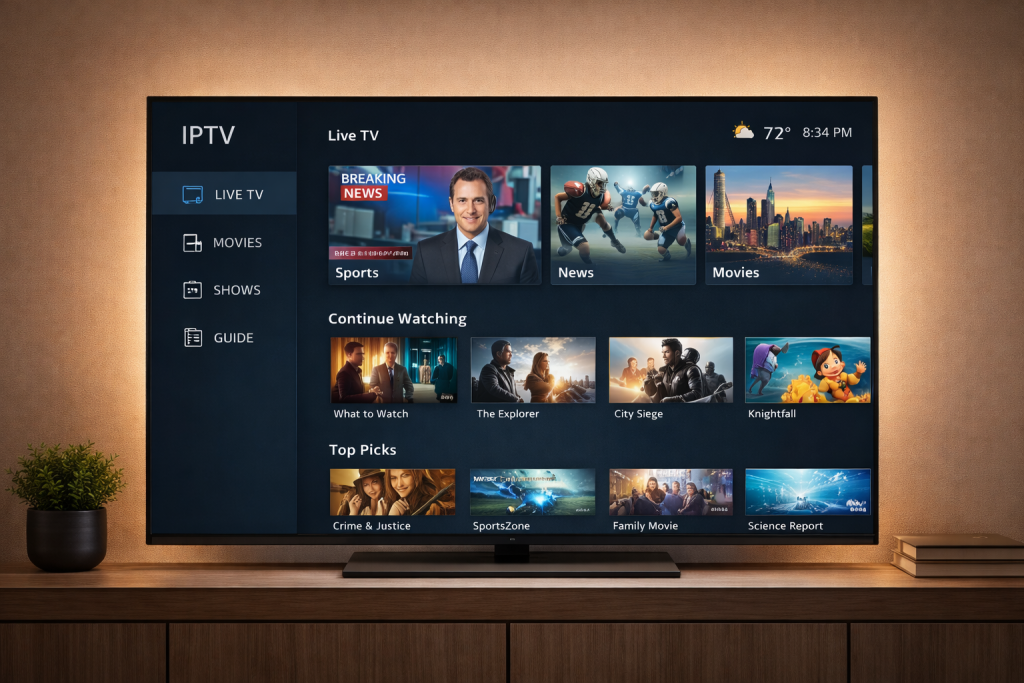
While digital MATV provides stability, IPTV introduces intelligence and interactivity. IPTV delivers television content over IP networks, allowing video, data, and interactive services to operate on the same digital infrastructure used throughout the building.
A digital MATV and IPTV system combines the strengths of both technologies. IPTV enables features such as video on demand, customized user interfaces, information pages, announcements, and real-time updates. Content can be tailored for different rooms, departments, or user types, creating a personalized experience without additional hardware in each space.
In modern buildings, IPTV transforms television screens into dynamic communication tools that support branding, wayfinding, and internal messaging.
Centralized Management and Operational Efficiency
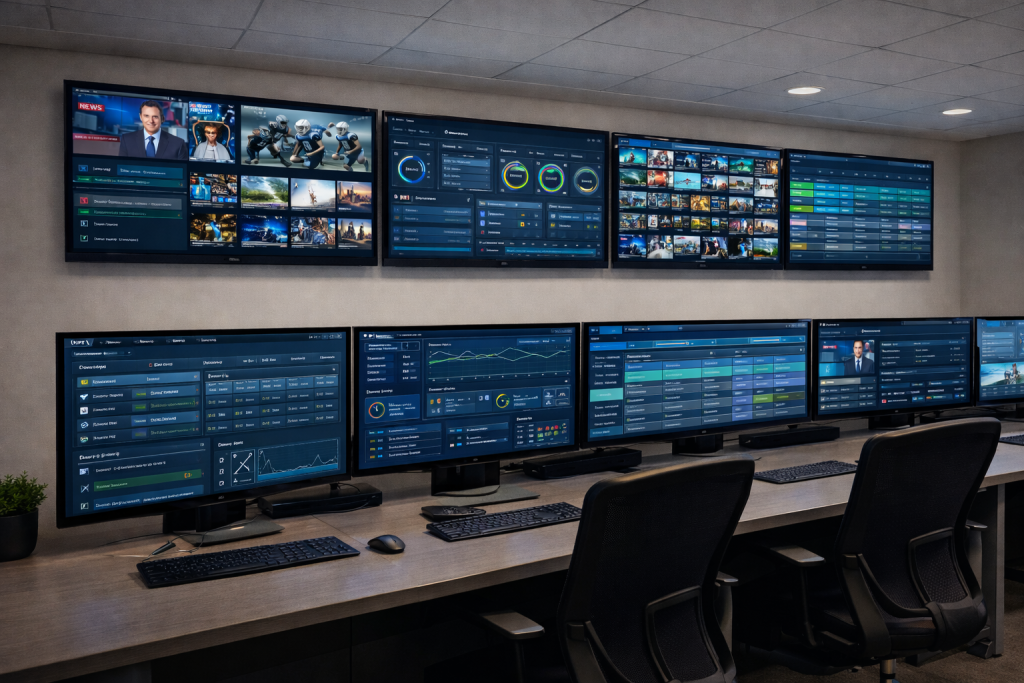
management. Large buildings require systems that are easy to control, monitor, and update without disrupting daily operations.
With centralized management platforms, administrators can manage channels, update IPTV content, monitor system health, and respond to issues from a single location. This reduces operational costs, minimizes downtime, and improves response times. For facility managers, this level of control is critical in maintaining service quality across large properties.
Centralized systems also make it easier to implement consistent standards across multiple buildings or locations.
Integration with Smart Building and Safety Systems
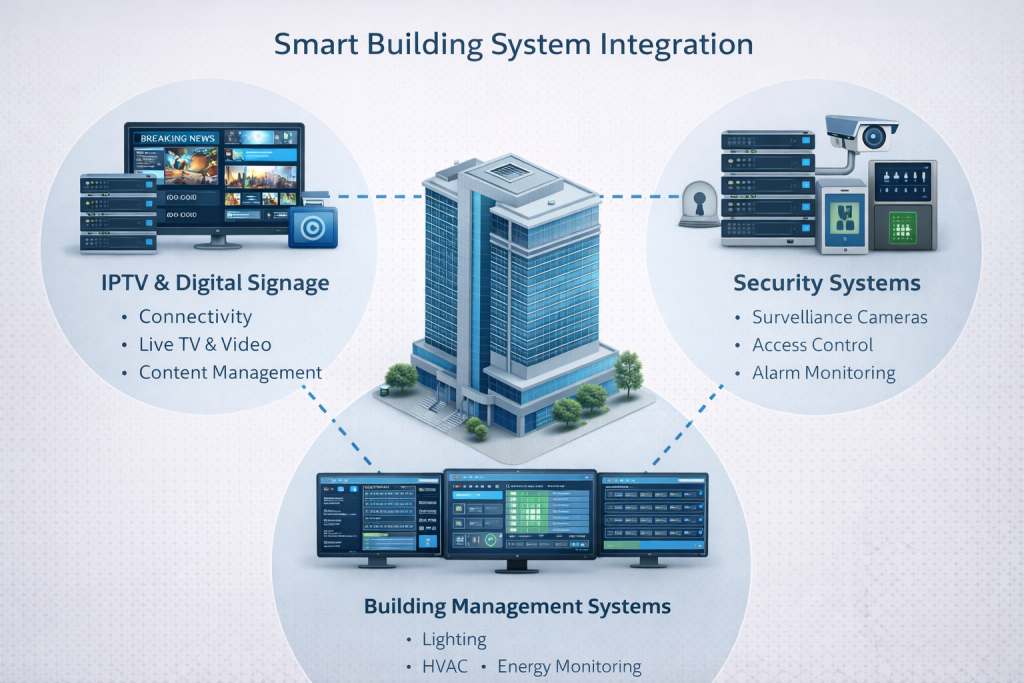
Modern buildings rely on integrated systems rather than isolated technologies. A digital MATV and IPTV system can be integrated with public address systems, building management systems, and emergency notification platforms.
During emergencies, IPTV screens can display evacuation instructions or real-time alerts. In daily operations, they can support internal communication and digital signage. This integration enhances both safety and operational coordination, reinforcing the role of TV systems as part of a larger smart building strategy.
Buildings that adopt integrated digital systems are better prepared to respond to both routine and critical situations.
Scalability and Long-Term Value
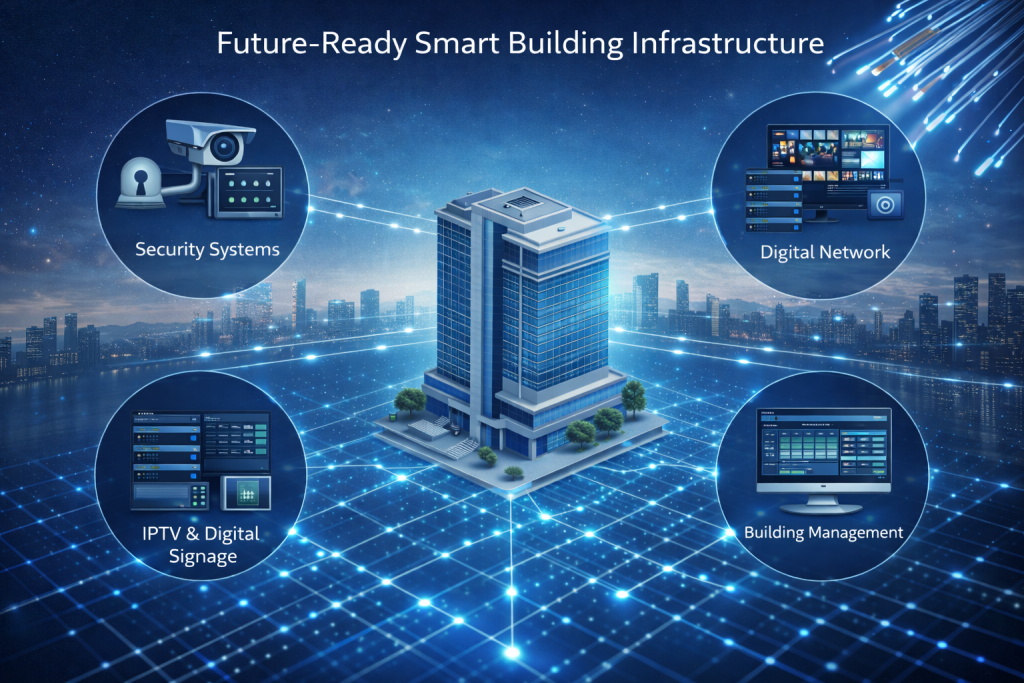
Buildings grow and change over time. New rooms, expanded facilities, and evolving user needs require systems that can adapt without major reconstruction. A digital MATV and IPTV system is designed for scalability.
New channels, services, or endpoints can be added through system configuration and network expansion rather than complete replacement. This future-ready approach protects the building owner’s investment and ensures long-term relevance.
Scalability is especially important for hotels, campuses, and mixed-use developments with long operational lifecycles.
Contact Sepro Indonesia
Security systems deliver real value only when they are properly designed and integrated. Sepro Indonesia helps organizations turn individual devices into a fully coordinated security ecosystem, ensuring faster response, clearer control, and long-term reliability.
Contact Sepro Indonesia today to discuss your project and receive professional guidance from our experienced system integration team.