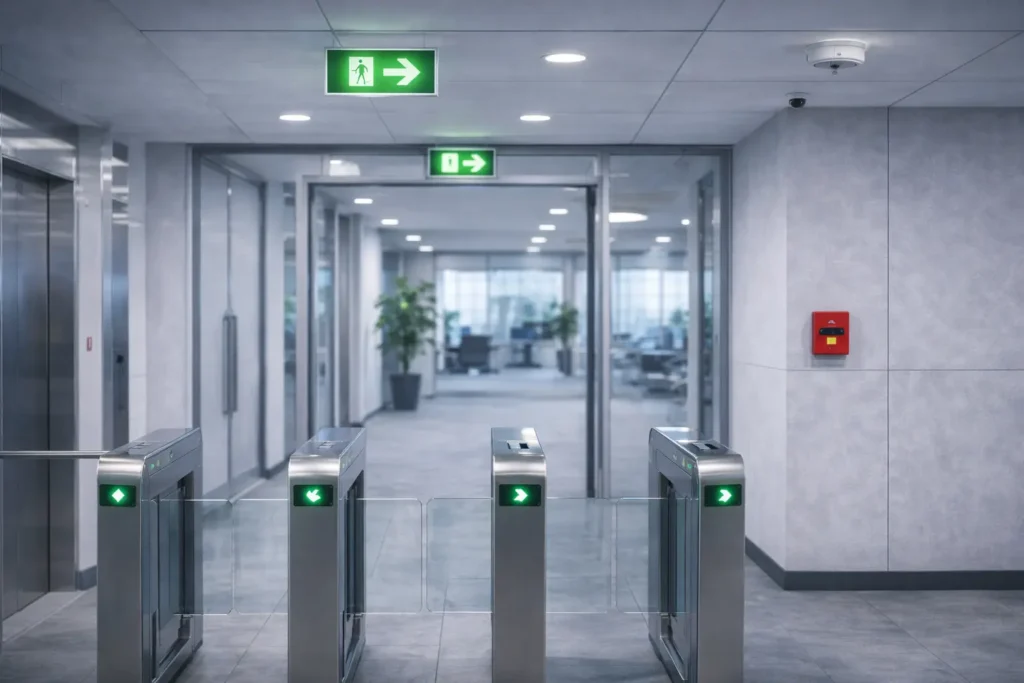
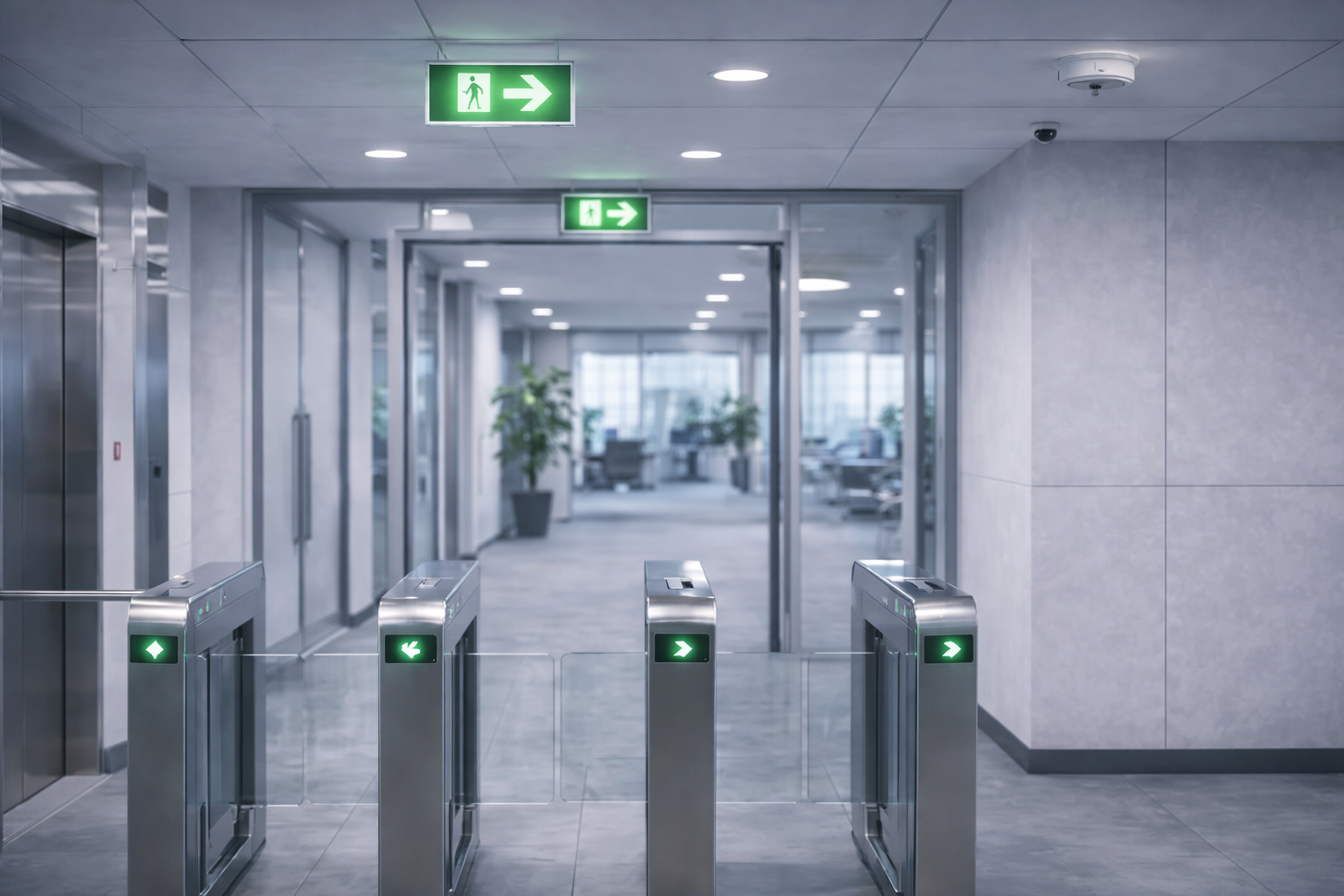
In today’s increasingly complex modern architecture, security is no longer a supporting feature, it has become a core foundation of business continuity. For facility managers and high-rise building owners, the real challenge beyond installing safety equipment is managing human behavior and panic during emergencies.. This is where integrated emergency evacuation solutions become essential, providing coordinated systems that guide occupants safely, reduce confusion, and serve as a critical frontline defense in effective disaster risk mitigation.
Why Conventional Systems Are No Longer Sufficient
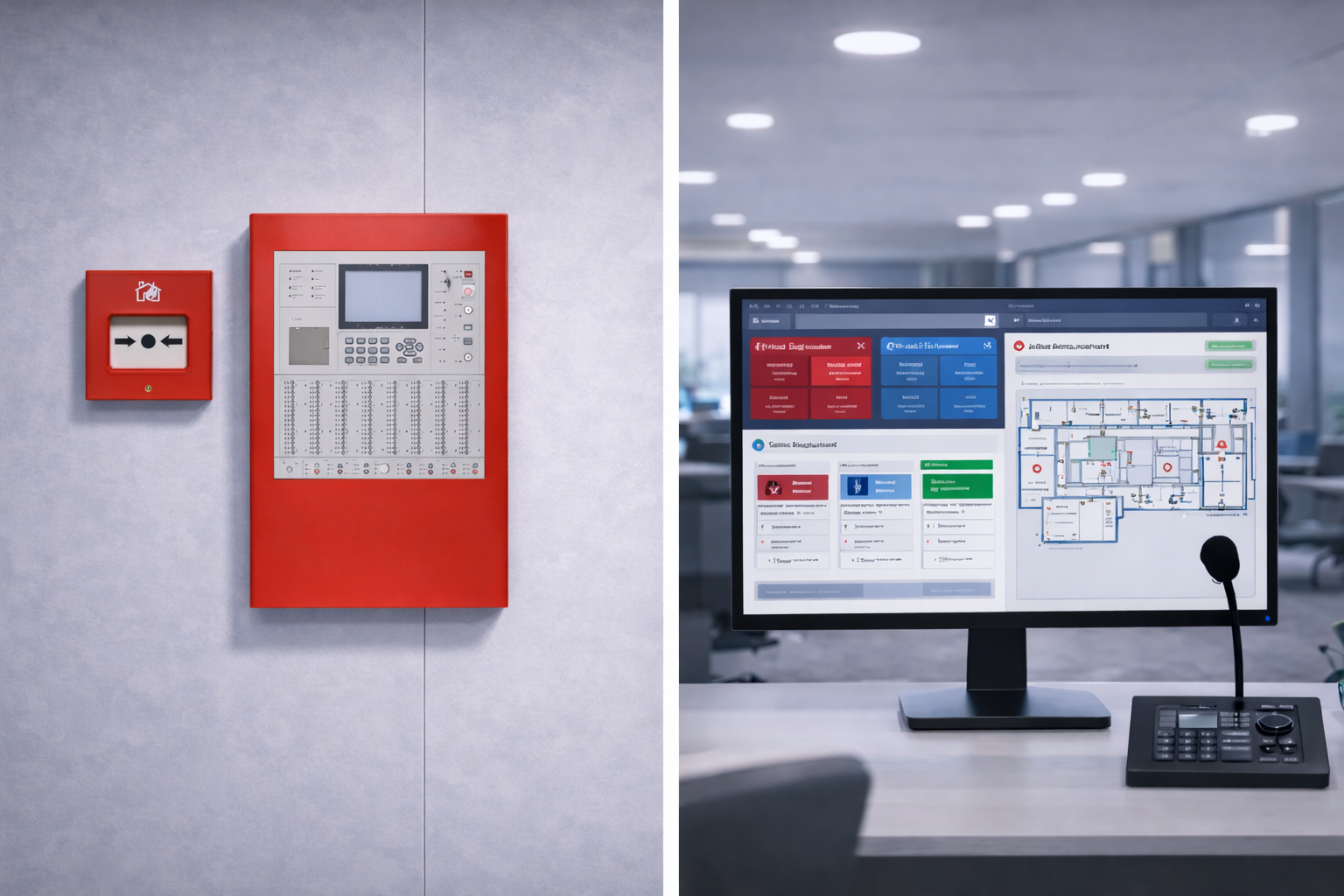
For many years, office buildings and industrial facilities have relied on security systems that operate independently in isolated silos. Fire alarms, access control, and public address systems often function separately, requiring manual coordination during emergencies. In high pressure situations, when panic escalates and second matter, this lack of synchronization can significantly increase risk.
Delays in unlocking emergency exits or delivering clear evacuation instructions are among the main factors that contribute to casualties. As a result, the B2B sector is increasingly moving toward integrated emergency evacuation solutions that can automatically coordinate alarms, access control, and communication systems within seconds, ensuring faster, safer, and more controlled evacuation responses.
Transforming Security in High-Rise Office Complexes
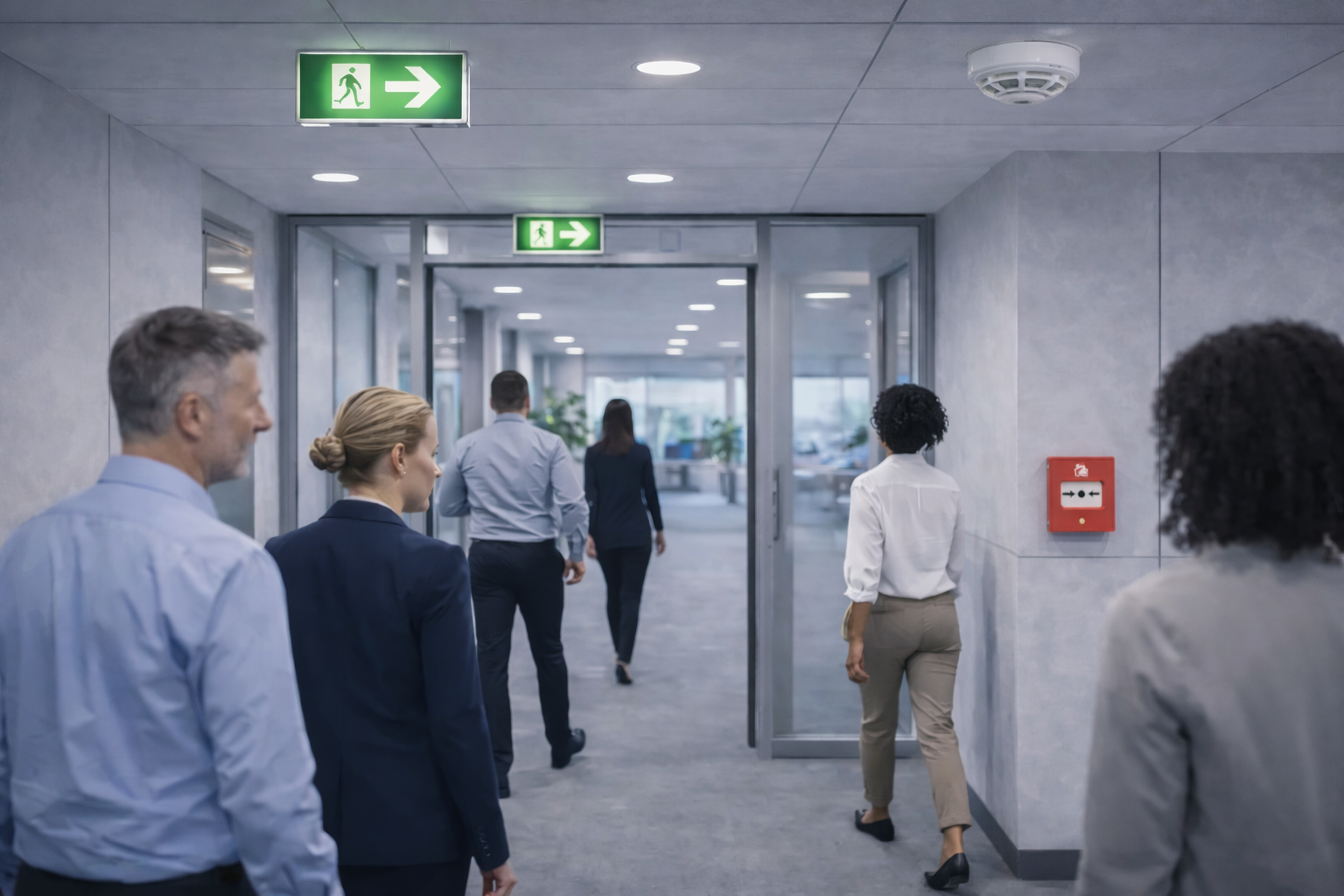
Consider a real-world scenario without referencing sensitive data. A 40-story office complex previously faced challenges during routine evacuation drills, with total evacuation time reaching 25 minutes, well beyond recommended safety standards. The primary issue was the heavy reliance on manual coordination between security personnel across multiple floors, which slowed response and created confusion.
After implementing integrated emergency evacuation solutions, the building’s security performance changed significantly. Smoke and heat detectors were directly connected to voice evacuation systems and dynamic wayfinding signage. When an incident was detected on the 15th floor, elevators were automatically disabled, access gates and turnstiles were released, and directional lighting guided occupants away from danger zones. As a result, evacuation time was reduced by up to 45%, clearly demonstrating how integrated technology plays a critical role in protecting lives during emergencies.
Core Components of an Integrated Emergency Evacuation Solution
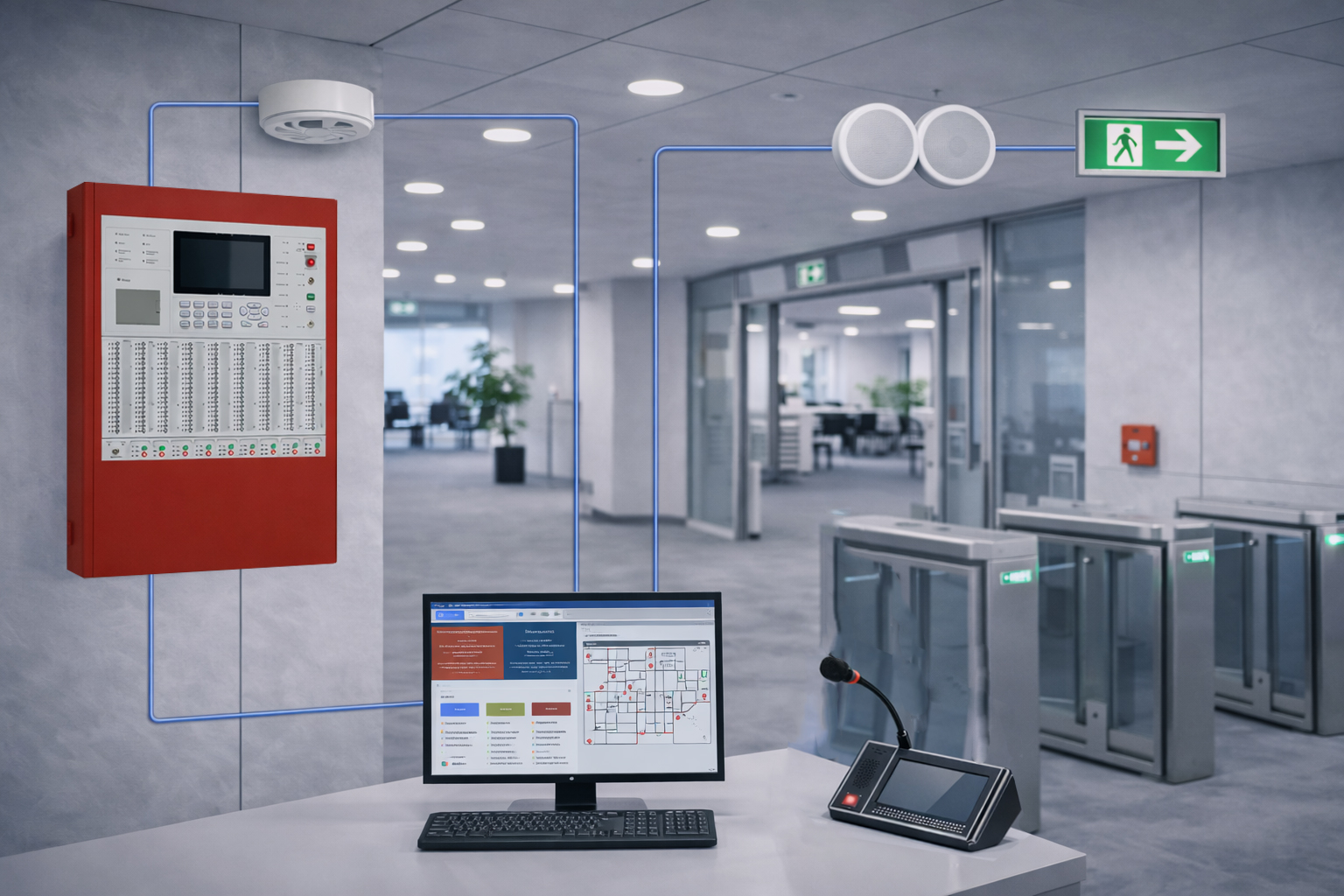
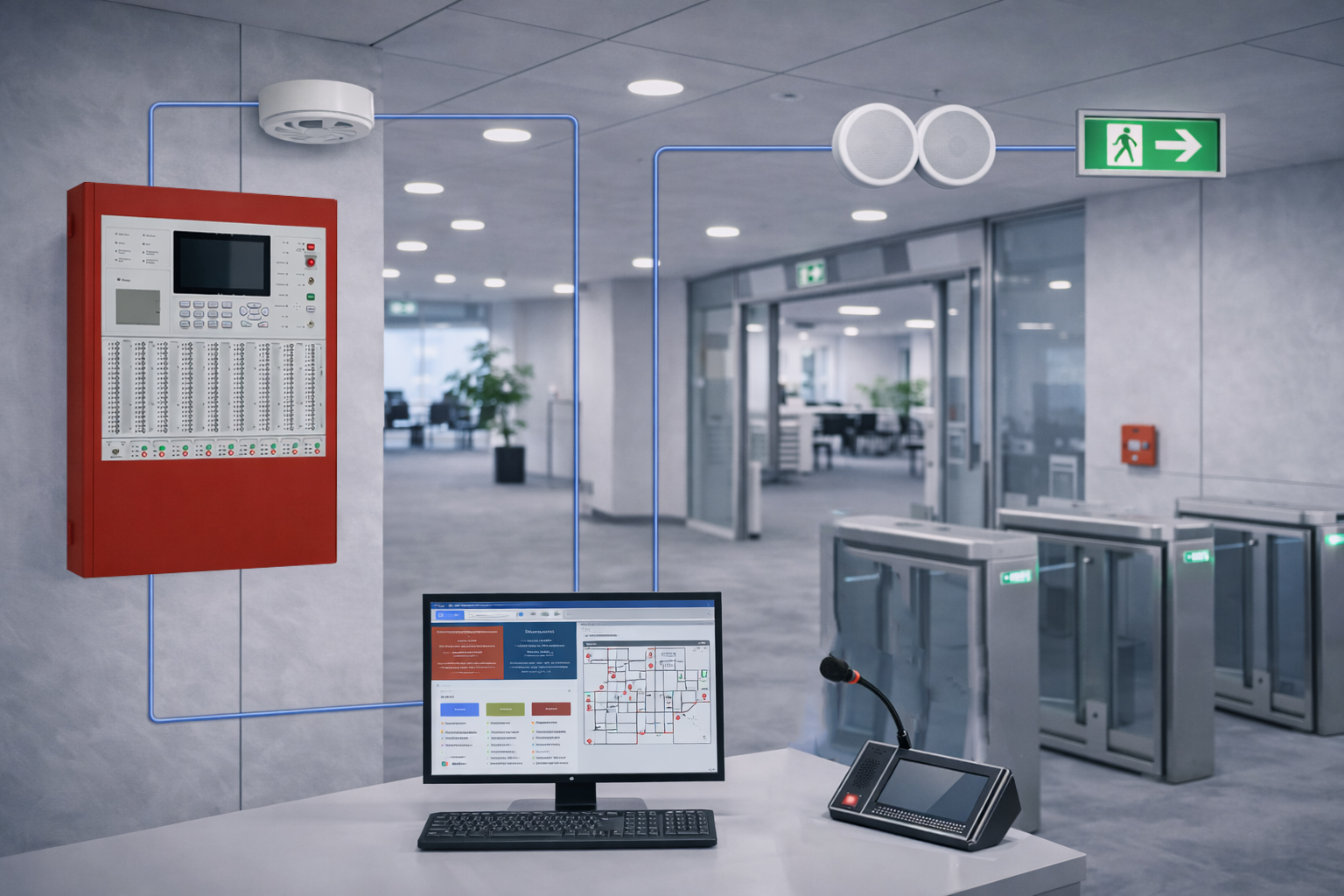
A reliable integrated emergency evacuation solution is built on multiple interconnected technologies that operate as a single, coordinated system. The effectiveness of evacuation during critical situations depends on the following core components:
- Smart Detection and Early Warning
Advanced sensors go beyond basic smoke detection by differentiating between minor disturbances and real threats, reducing false alarms that can disrupt operations while ensuring faster response to genuine emergencies.
- Automated Voice Evacuation (AVA)
Sirens alone often create panic. AVA systems deliver calm, clear, and multilingual voice instructions that guide occupants step by step, helping maintain order and reduce confusion during evacuation.
- Emergency Lighting and Dynamic Signage
In smoke-filled environments, visibility drops rapidly. Integrated systems ensure emergency lighting remains active even during power failures, while dynamic exit signage can change direction or color based on the fire’s location.
- Integration with Access Control
Speed is critical in emergencies. Integrated systems automatically unlock secured emergency exits the moment an emergency status is triggered, allowing occupants to evacuate without delay while maintaining normal asset security during daily operations.
Strategic Benefits for the B2B Sector and Facility Management
For business owners and facility managers, adopting integrated emergency evacuation solutions is not only a humanitarian responsibility, but also a strategic and financially sound decision. Beyond life safety, these systems deliver measurable value for B2B operations through the following benefits:
- Legal and Regulatory Compliance
Indonesia enforces strict occupational health and safety (K3) regulations. Integrated evacuation systems simplify compliance with mandatory safety audits and support alignment with international standards such as ISO and NPFA.
- Reduced Insurance Premiums
Buildings equipped with standardized, automated fire protection and evacuation systems are often eligible for lower insurance premiums, as insurers recognize the reduced risk profile.
- Brand Reputation Protection
Even minor incidents that are poorly managed can cause long-term reputational damage. Implementing integrated emergency evacuation solutions demonstrates a strong commitment to employee, tenant, and visitor safety.
- Data Analytics for Simulations
These systems record historical data from drills and real events, allowing analysis of crowd congestion and evacuation flow. Insights from this data can be used to improve furniture layout, exit planning, and future evacuation strategies.
Implementation in Industrial and Manufacturing Sectors
Unlike office environments, industrial and manufacturing facilities face unique safety challenges, including high noise levels, hazardous materials, and expansive operational areas. In sectors such as chemical processing or automotive manufacturing, integrated emergency evacuation solutions must be extended beyond occupant guidance to include automatic emergency shutdowns that prevent secondary incidents before evacuation begins.
In one industrial zone implementation, the integration of gas leak detection systems with automated evacuation protocols successfully prevented escalation into more severe workplace accidents. This example highlights how integrated emergency evacuation solutions can be tailored to address industry-specific risks, proving their flexibility and effectiveness across diverse industrial and manufacturing environments.
Overcoming Barriers to Technology Adoption
A common concern when transitioning to an integrated system is the initial investment cost. However, this decision should be evaluated through the lens of Total Cost of Ownership (TCO). Maintaining multiple standalone platforms often results in higher long-term expenses compared to operating a single integrated emergency evacuation solution supported by a centralized monitoring dashboard.
Modern technology also enables phased implementation, eliminating the need for full system replacement in a single stage. Many solutions now support modular integration, allowing legacy fire, security, or alarm systems to connect with new platforms through IP or IoT-based protocols. This approach reduces upfront costs while enabling organizations to gradually achieve a fully integrated evacuation and safety ecosystem.
The Future of AI and IoT in Emergency Evacuation
Looking ahead, integrated emergency evacuation solutions will continue to evolve with the adoption of Artificial Intelligence (AI) and advanced IoT technologies. CCTV systems equipped with AI can analyze crowd density in real time, identify congestion points, and automatically support decision-making by directing response teams to critical areas. At the same time, mobile applications connected to building systems can deliver personalized evacuation routes directly to occupants, adapting guidance based on real-time conditions.
By implementing integrated emergency evacuation solutions today, organizations prepare their infrastructure for future risks and operational demands. Effective security should never be reactive, it must be anticipated, carefully designed, and fully integrated to protect lives, assets, and business continuity in an increasingly complex environment.
Security as an Investment, Not a Burden
Constructing an impressive building without a reliable safety system is like sailing a luxury ship without lifeboats. For decision-makers at the managerial level, the ultimate priority is ensuring that everyone who enters the facility can evacuate safely during an emergency.
Integrated emergency evacuation solutions address the complexity of modern risks by unifying early detection, effective mass communication, and automated access control into a single response. Beyond meeting regulatory requirements, this integration helps build a strong culture of safety across the organization. Do not wait for an incident to expose systems gaps, begin reviewing your current safety infrastructure today and consider transitioning to an integrated emergency evacuation solution to support a safer, more resilient, and sustainable business future.
Need Further Consultation?
Do not let lives and critical assets depend on outdated systems or disconnected safety systems. Contact Sepro Indonesia to discuss how integrated emergency evacuation solutions can be designed and implemented to match the unique structure and risk profile of your building. Our team is ready to support you in creating a smart, secure, and globally compliant environment that prioritizes safety, resilience, and long-term operational reliability.