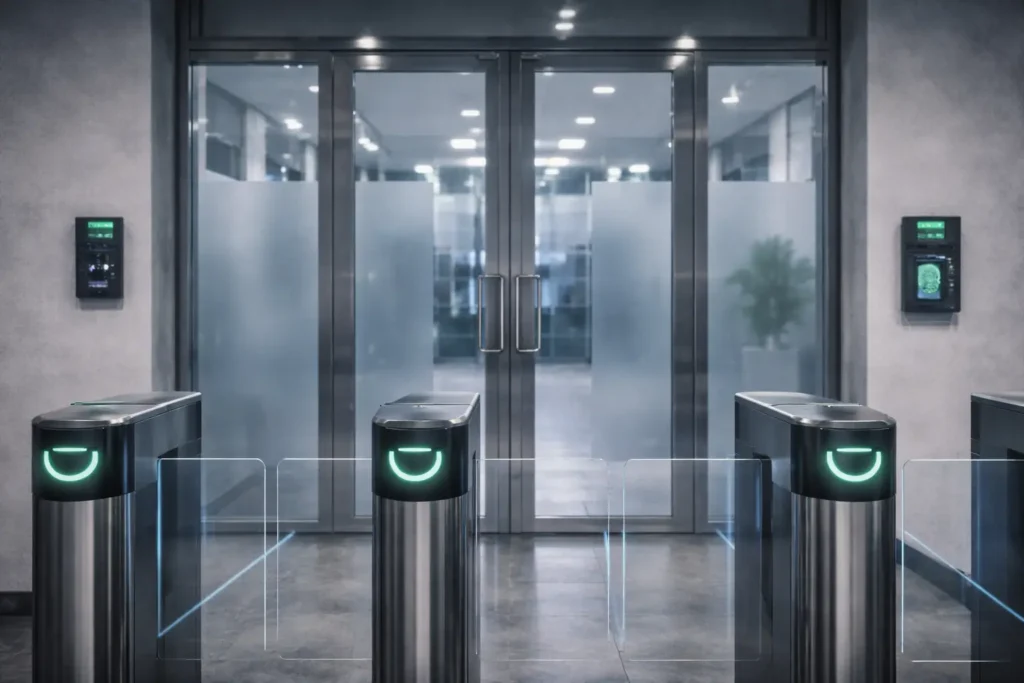
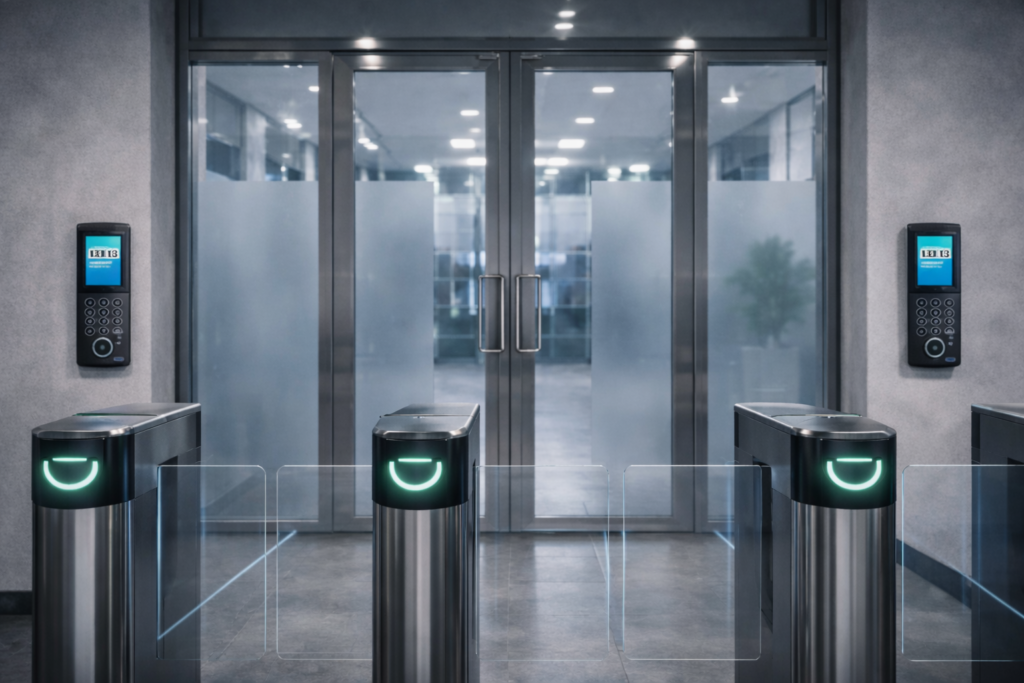
In today’s digitally and physically interconnected environment, commercial property security is no longer just about having guards at the front door. For organizations managing critical assets, sensitive data, or vital infrastructure, implementing a restricted building access control system is no longer optional, it is essential. Areas such as server rooms, research and development facilities, data centers, and financial archives demand multi-layered security that exceeds the protection in public or semi-public spaces.
This article explores why restricted building access control systems have become a core pillar of modern security strategies, and how advanced access technologies help facility managers and property owners protect high-risk areas with precision, control, and confidence.
Why Do Restricted Areas Require Special Attention?
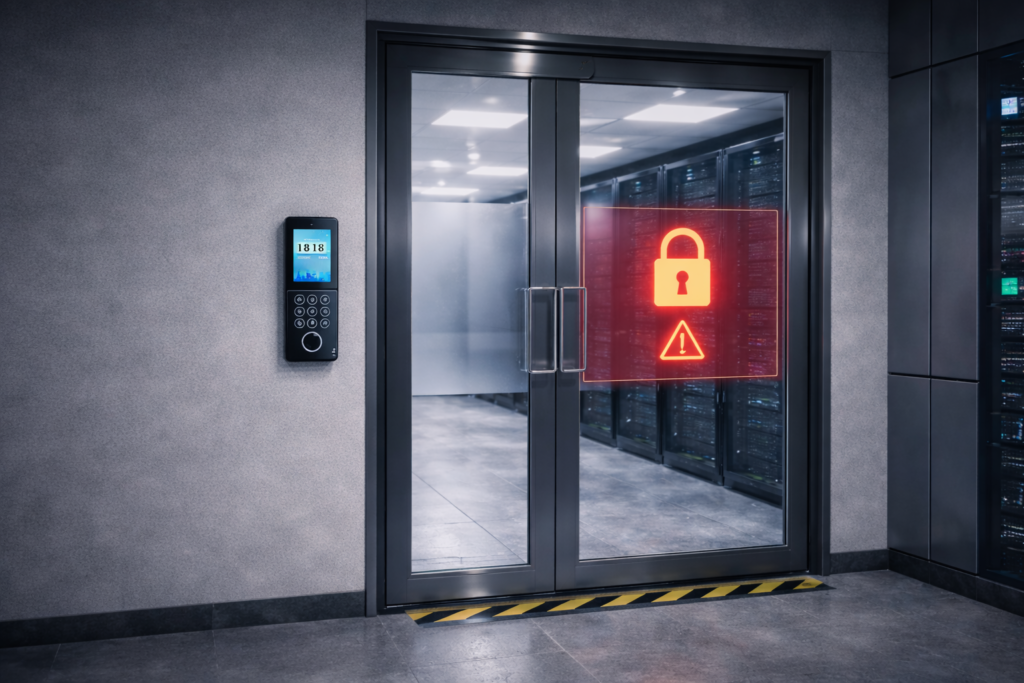
Not all areas within a building carry the same level of risk. Spaces classified as “restricted” often house critical assets, confidential data, or intellectual property that, if compromised, could lead to serious financial loss or long-term reputational damage. In these environments, a restricted building access control system acts as the first and most crucial layer of protection.
A common vulnerability lies in the continued use of physical keys or standard access cards, which can be easily lost, copied, or misused. Without an encrypted and centrally managed restricted building access control system, facility managers have limited visibility into who accesses sensitive zones and when. This lack of control significantly increases exposure to internal threats and unauthorized entry, leaving critical areas vulnerable to security breaches.
Core Technologies Behind Restricted Building Access Control Systems
To achieve a truly high-security environment, multiple advanced technologies must be integrated into a single, unified ecosystem. A restricted building access control system is most effective when it combines physical security, digital authentication, and centralized monitoring. Below are the key technological components commonly found in a robust and reliable restricted access control implementation:
1. Advanced Biometric Authentication
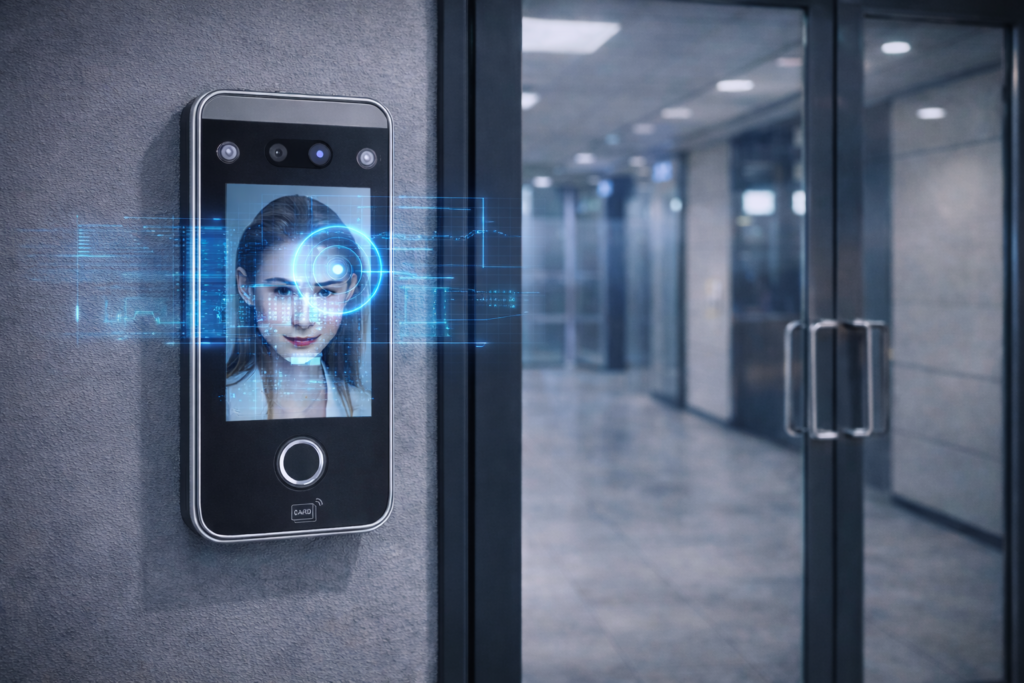
While fingerprint scanners are now widely used, restricted areas require more advanced authentication methods. Technologies such as facial recognition with liveness detection ensuring the subject is a real person and not a photograph, or iris scanning are increasingly becoming the standard of high-security environments. A biometric-based restricted building access control system eliminates the risk of borrowed or stolen credentials, as access rights are intrinsically tied to the individual’s unique biological identity.
2. Multi-Factor Authentication (MFA)
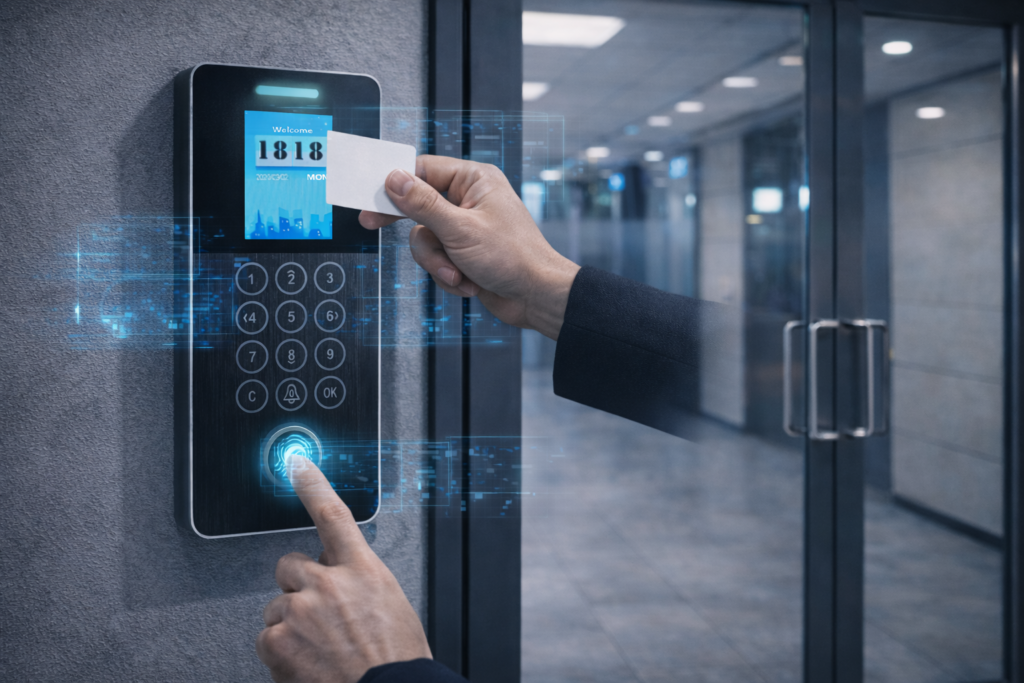
Similar to digital banking security, a strongly restricted building access control system applies multi-factor authentication (MFA) to strengthen protection. For example, authorized personnel may be required to use an access card (something they have) combined with a PIN or biometric verification such as facial recognition (something they are) before access is granted. This layered approach significantly reduces the risk of unauthorized entry into sensitive areas.
Strategic Benefits of Implementing a Restricted Building Access Control System
Implementing a restricted building access control system goes beyond preventing unauthorized entry. It provides strategic benefits by strengthening operational efficiency, improving visibility over access activities, and supporting compliance with security and regulatory requirements. Through centralized control and detailed access records, organizations can manage sensitive areas more effectively while reducing operational risks and administrative overhead.
Audit Trails and Real-Time Reporting
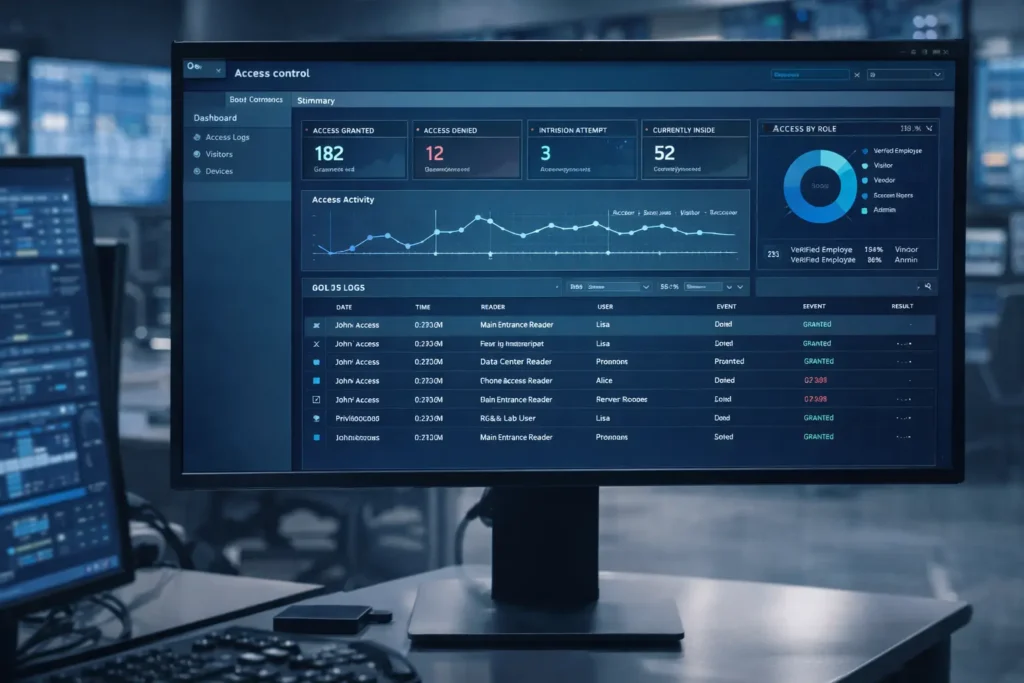
One of the most critical capabilities of a restricted building access control system is comprehensive audit logging and real-time reporting. Every access attempt, successful or denied, is recorded automatically with precise timestamps and user identification. In the event of a security incident, these detailed logs allow investigation teams to quickly trace movement, verify access history, and determine who was present in a restricted area at any given time.
Prevention of Tailgating and Piggybacking
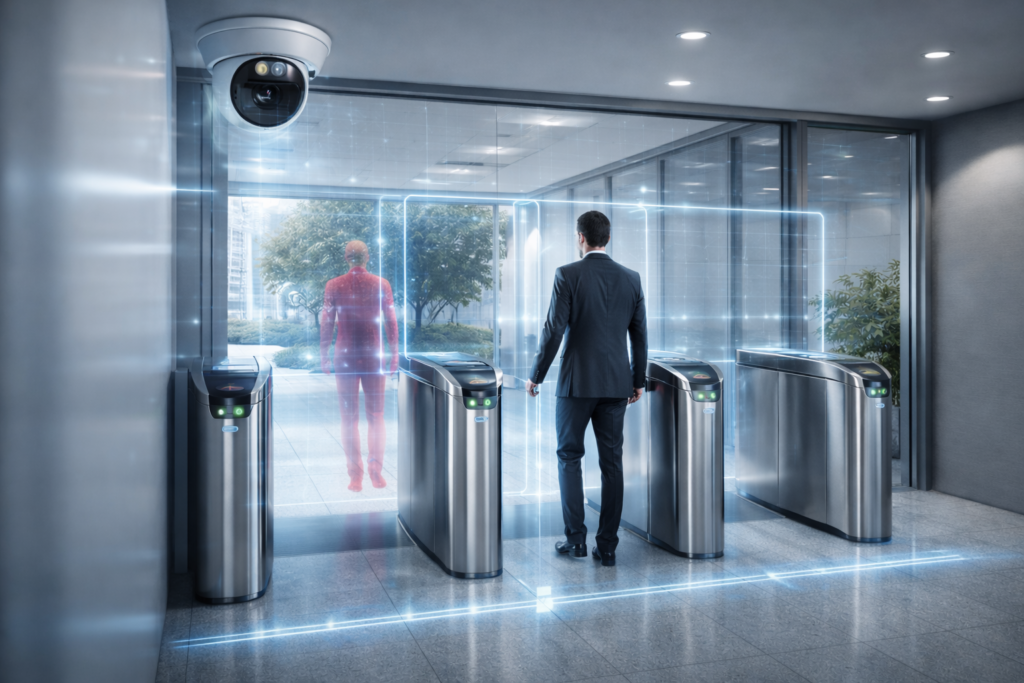
In high-security environments, tailgating when an unauthorized individual follows an authorized person into a restricted area, represents a serious security risk. Modern restricted building access control systems address this threat by integrating with weight sensors, turnstiles, or AI-powered cameras that can detect multiple entries using a single credential. When such behavior is identified, the system can trigger real-time alerts, preventing unauthorized access and reinforcing strict access discipline in sensitive zones.
Integration with Building Management Systems (BMS)

An intelligent restricted building access control system can be seamlessly integrated with other building systems, including fire alarms, lighting, and safety controls. During emergencies, the system can automatically switch to fail-safe mode by unlocking doors to support safe evacuation. Conversely, it can also initiate targeted lockdowns in specific zones when a security threat is detected, ensuring coordinated and controlled responses across the entire facility.
Implementation Challenges and How to Overcome Them
Implementing an effective restricted building across control system presents several challenges, including initial investment considerations and user concerns related to privacy. These issues can typically be mitigated through clearer communication and education that emphasizes the long-term benefits of enhanced security, operational control, and regulatory compliance.
Selecting the right vendor is also critical to long-term success. Organizations should prioritize providers that understand scalable restricted building access control system architecture, allowing the solution to grow alongside the building. A well-designed system should support flexible integration between hardware components, such as card readers and electromagnetic locks, and centralized management software, eliminating the need for costly system replacement when future expansion is required.
Choosing the Right System for Your Business Needs
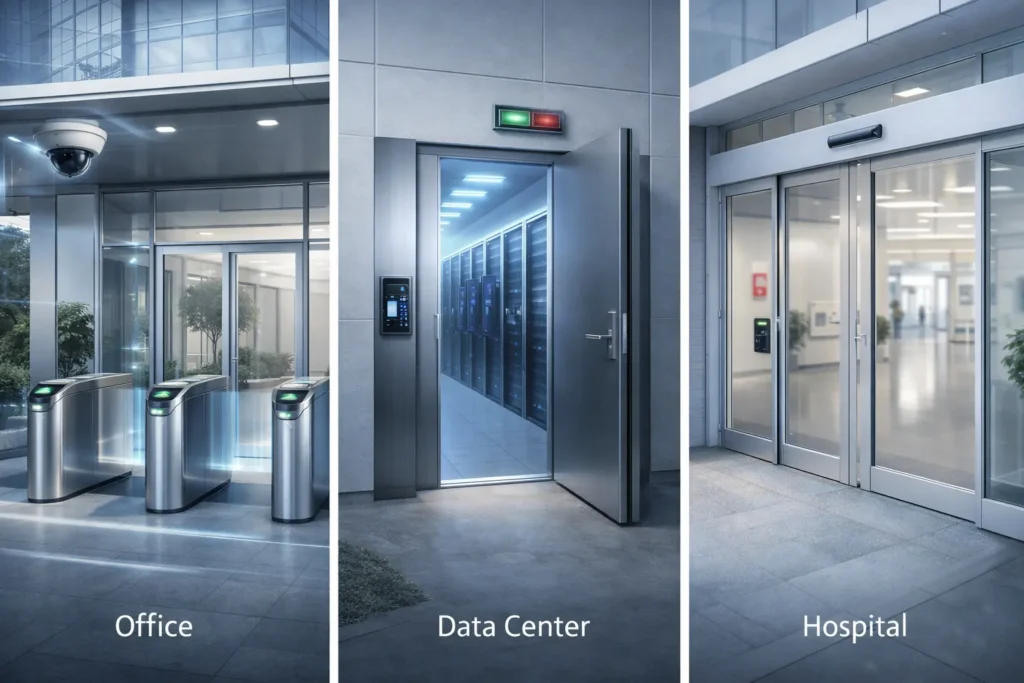
Every industry faces different security risks and operational demands. For example, a financial institution requires a far more stringent restricted building access control system than a creative agency or general office environment. Conducting a comprehensive risk assessment is therefore essential before selecting the appropriate access control technology, ensuring the system aligns with the sensitivity of assets, regulatory requirements, and the overall security objectives of the business.
Key factors to consider when selecting a restricted building access control system include:
- Hardware Reliability
Ensures access devices are robust and resistant to physical tampering or sabotage, especially in high-risk or high-traffic areas.
- Data Security
Verify that communications between readers, controllers, and servers are encrypted, using secure protocols such as OSDP to prevent interception or manipulation.
- Ease of Use
The management software should be intuitive and easy for security teams to operate efficiently, allowing quick access management and clear visibility without unnecessary complexity.
Conclusion: A Future-Proof Security Investment with Sepro Indonesia

Neglecting security in restricted areas presents a risk that far outweighs the cost of proper implementation. By deploying a well-designed restricted building access control system, organizations protect critical assets and sensitive data while reinforcing trust with clients and business partners through strong security standards.
Even the most advanced technology, however, depends on correct design and professional implementation. Selecting an experienced and reliable integration partner is essential to building a secure, resilient access control ecosystem that performs as intended.
Sepro Indonesia serves as a strategic partner for organizations that prioritize uncompromising security. With expertise in designing, supplying, and installing restricted building access control systems, Sepro delivers end-to-end solutions tailored to each facility’s unique requirements, from initial assessment to long-term technical support. Safeguard what you have built by ensuring your access control system is implemented and managed by experts.
Consult Your Security Needs Today
Is your building truly protected against unauthorized access? Do not wait for an incident to reveal security gaps. If you are ready to implement a modern, intelligent, and fully integrated restricted building access control system, Sepro Indonesia is prepared to support you.
Contact Sepro Indonesia today for a professional security assessment or a live product demonstration. Protect your critical assets with advanced access control solutions, designed and implemented by experienced experts.